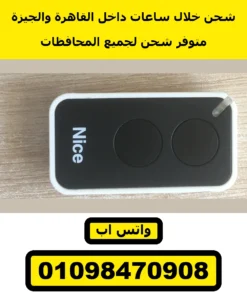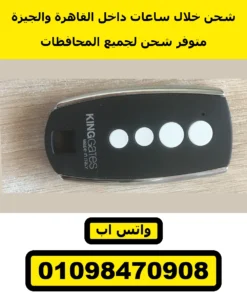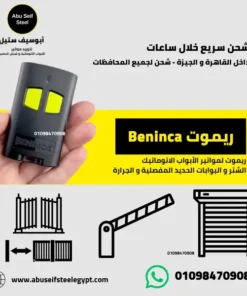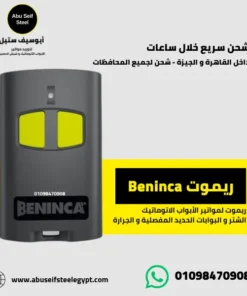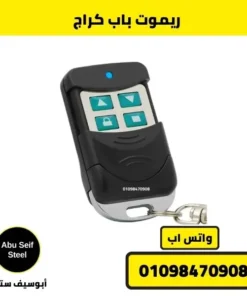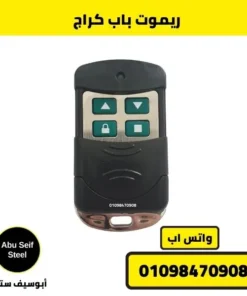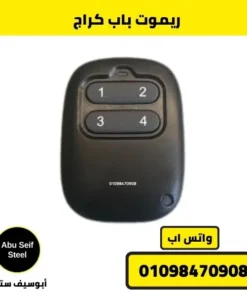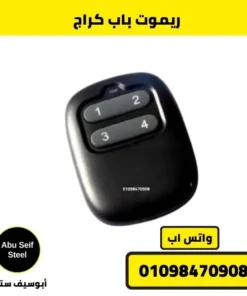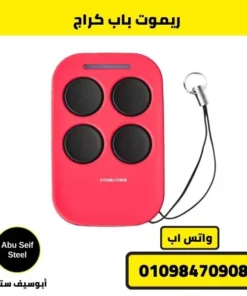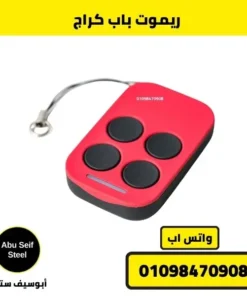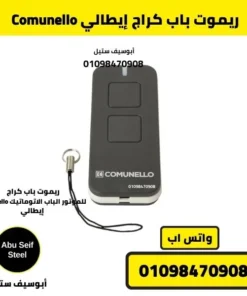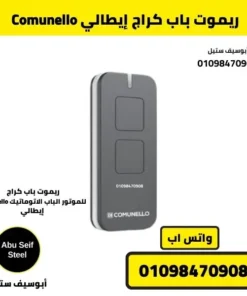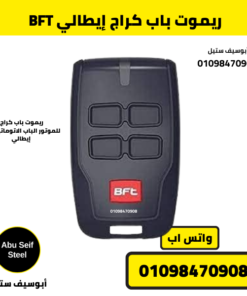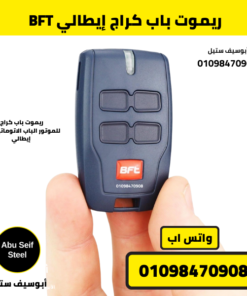
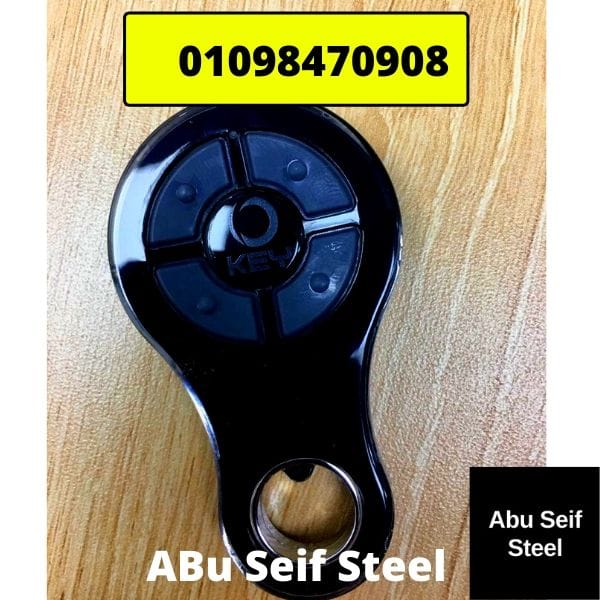
The transmitter and receiver — a two-part radio system
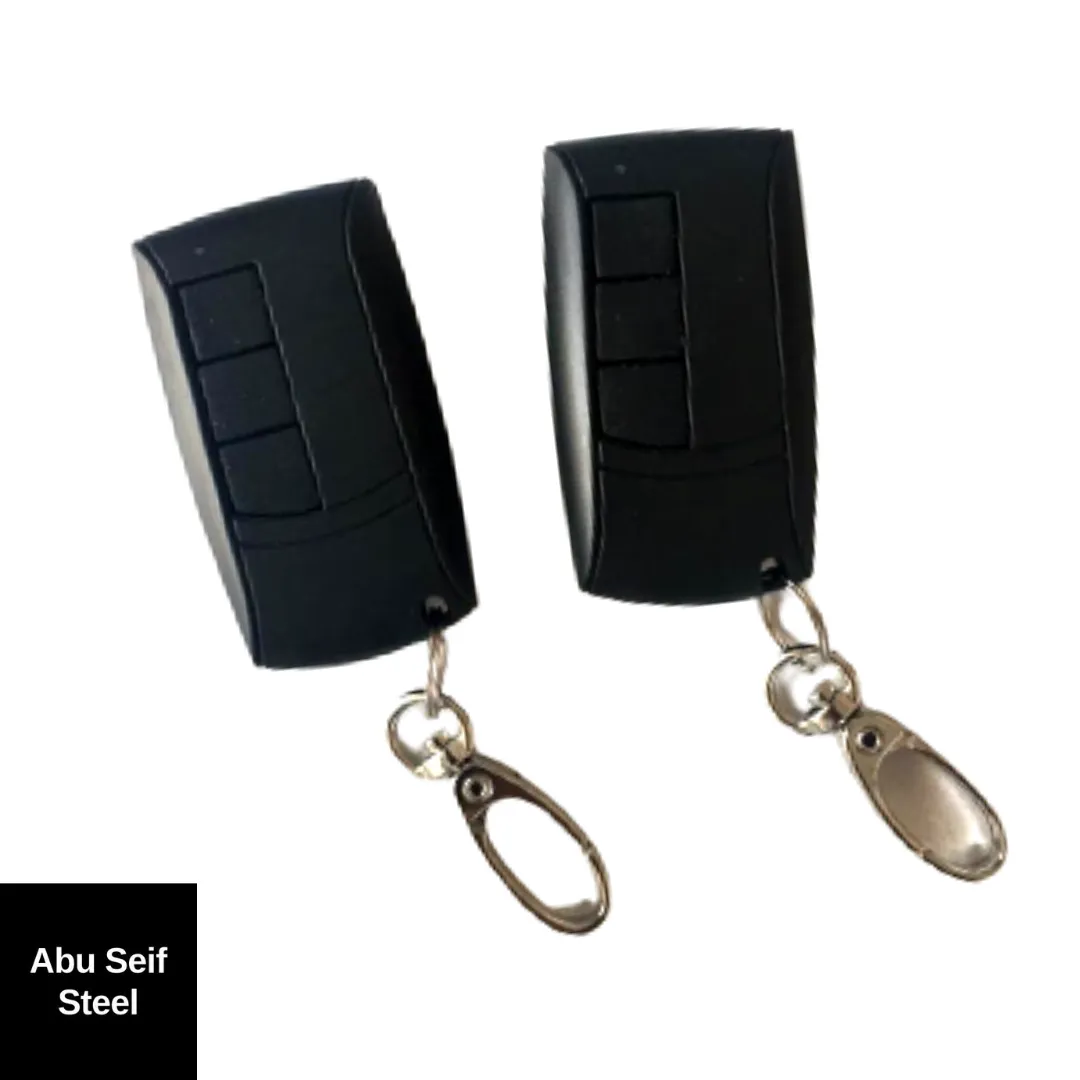
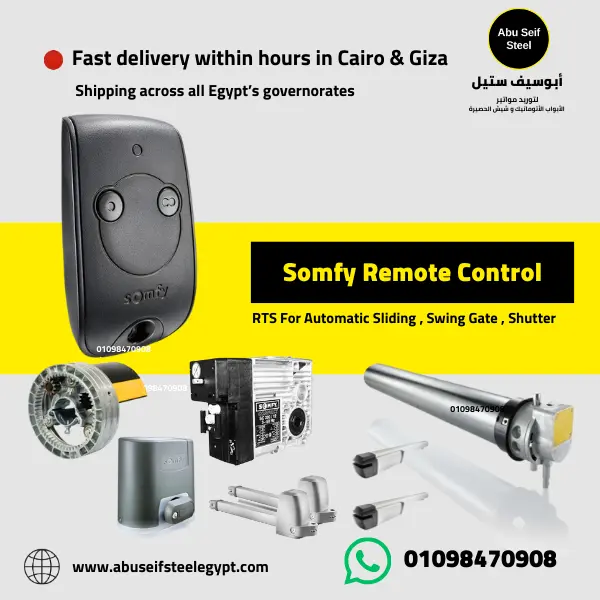
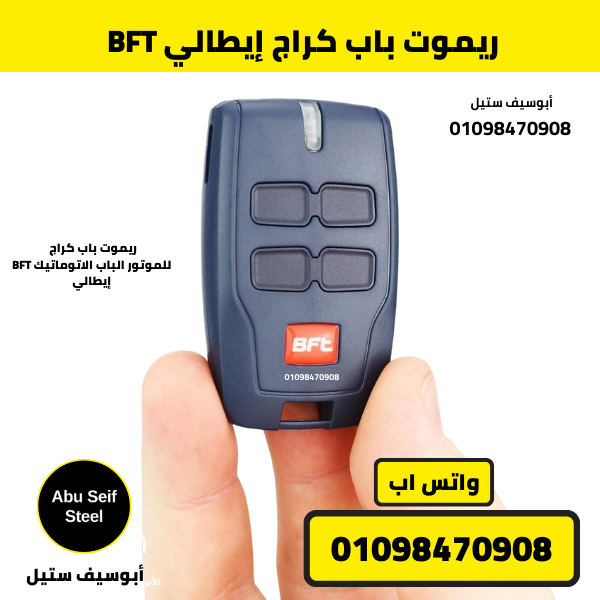
Press the button and the transmitter broadcasts a short radio burst carrying its identity code; the receiver compares it against its stored list and, on a match, closes the relay that starts the motor. Range depends on the transmitter’s power, the receiver’s antenna and the walls between them — which is why a failing battery shows up first as shrinking range, not sudden death.
Fixed code vs rolling code — the security divide
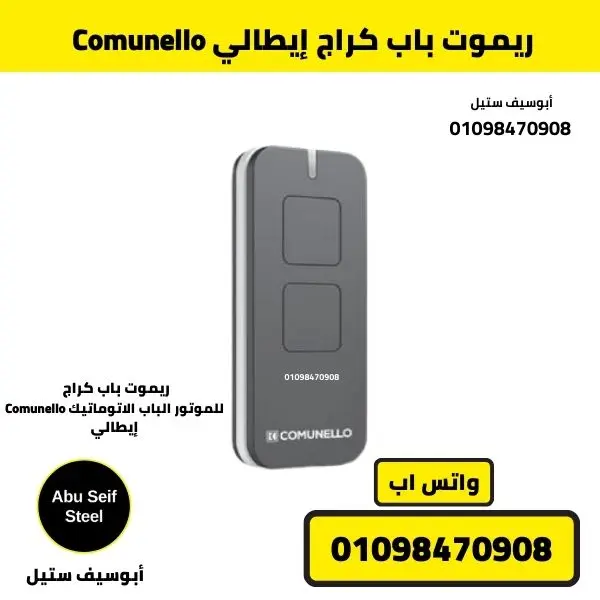
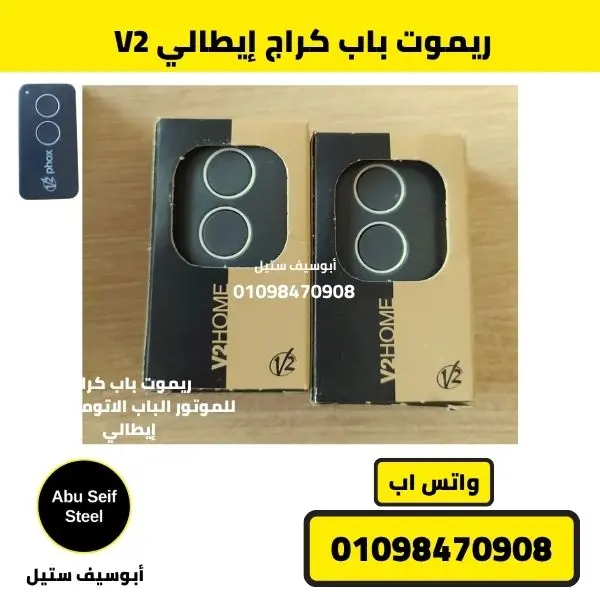
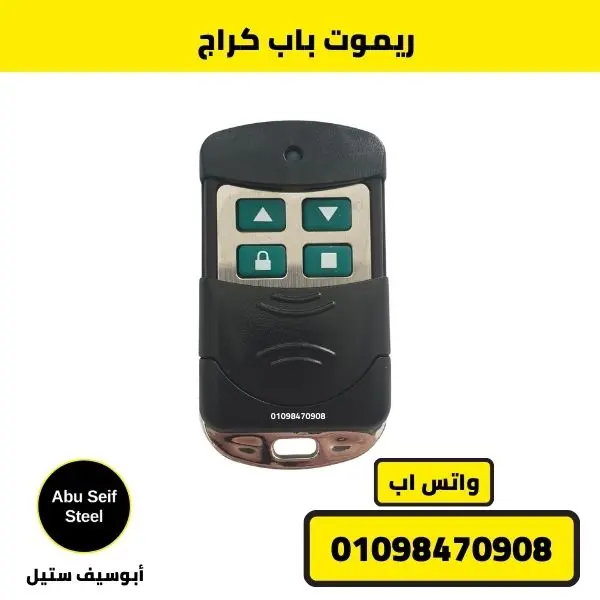
Fixed code (older systems): the same signal every press — easy to clone at a kiosk, and equally easy for a thief’s grabber to record and replay. Rolling code (every modern system): the signal changes on each press following a synchronised algorithm — cloning and replay both fail, which is why modern remotes must be paired at the receiver, never copied. Upgrading an old fixed-code gate is as simple as wiring an external rolling-code receiver onto the same motor. Not sure which one you have? WhatsApp 01098470908 settles it from a photo.
What this means when you buy
Compatibility is receiver-side: the new remote must speak your receiver’s protocol and frequency, which a photo of the board settles instantly. That is the whole buying rule — send the photo to WhatsApp 01098470908, get the confirmed match with the updated price, and pairing at the receiver takes under a minute — our technical support team walks you through it if you need a hand. For brand-specific guidance see the ACM and Key guides linked below.
Related guides
- Gate and door remote control in Egypt — compatibility and replacement
- ACM remotes in Egypt
- Key Automation remotes
- Pairing and troubleshooting guide
- Choosing the best gate remote
Remotes in stock
FAQ
What frequency do gate remotes use in Egypt?
Mostly 433 MHz, with some systems on 868 MHz — the receiver decides, and its photo tells us instantly.
Why does my neighbour’s remote never open my gate?
Each transmitter carries a unique identity code; the receiver only fires for codes it has learned — that is the whole security model.
Is rolling code really uncloneable?
Practically yes — the signal changes every press following a synced algorithm, so recordings and kiosk copies are useless.
Transmitter, handset, key fob, clicker, opener — which word is correct?
All of them describe the same part. Transmitter is the engineering term, handset and fob the British ones, opener and clicker the American ones, and in Egypt it is the ريموت. The receiver on the control board is the half that decides compatibility, whichever word you searched for.
Can I secure my old fixed-code gate?
Yes — an external rolling-code receiver wires onto the same motor, and from then on only paired modern remotes work. Ask about it on WhatsApp 01098470908.
Lost my only remote — what now?
A compatible remote pairs directly at the receiver; no old remote needed. Send the board photo and we match it.