Sliding Gate Motor Sizing — How to Choose the Right Capacity
Sizing a sliding gate motor comes down to one rule: the operator should be rated at roughly double the weight of the gate leaf. A 400 kg gate is matched to an 800 kg operator; a 1000 kg gate to a 2000 kg operator. Sites that open the gate constantly, such as factories and workshops, go a class higher again.
Sizing ruleAbout 2x the gate weight
Industrial useOne class above that
Stocked range800 to 4000 kg
Also checkedWidth and cycles per day
Capacity is chosen from the gate weight, not from the gate size alone
Find the weight of your gate leaf in the left column. The right column is the operator class that carries it with the working margin included.
Gate leaf weight
Operator class
Up to 400 kg
800 kg
400 to 500 kg
1000 kg
500 to 800 kg
1600 kg
800 to 1000 kg
2000 kg
1000 to 1250 kg
2500 kg
1250 to 2000 kg
4000 kg
Over 2000 kg
Reviewed individually
Each class in the table maps to a stocked operator
Read the table as a starting point, not a verdict. It assumes a gate in reasonable condition on a sound track. A gate that already drags, or one with heavily worn wheels, asks more of the operator than its weight suggests.
Why the margin exists
An operator rated exactly at the gate weight has no reserve, and a gate is not a constant load. It takes noticeably more effort to start a stationary gate moving than to keep it rolling. Track friction rises as dirt collects and wheels wear. A solid steel leaf behaves like a sail on a windy day. Rust adds weight that nobody re-measures.
Doubling the rating absorbs all of that. The practical result is a gate that starts cleanly and stops where it should, instead of one that struggles at the beginning of every cycle.
Starting a stationary gate takes more effort than keeping it movingHeavier gates place more load on the drive, which is what the margin covers
Where the gate is used changes the answer
Weight sets the baseline. How hard the gate works sets the adjustment.
Home or villa — a handful of cycles a day. The doubled figure from the table applies as it stands.
Shared entrance or compound — many residents, many cycles. Stay at the doubled figure but expect it to be working, not resting.
Factory, workshop or warehouse — a gate opening dozens of times a day. Go a class above the table.
A worked example. An 800 kg gate at a private villa is matched to a 1600 kg operator. The same 800 kg gate at a factory entrance is better served by a 2000 or 2500 kg operator, because the duty cycle, not the weight, is what wears the unit.
Industrial entrances cycle far more often than residential gates
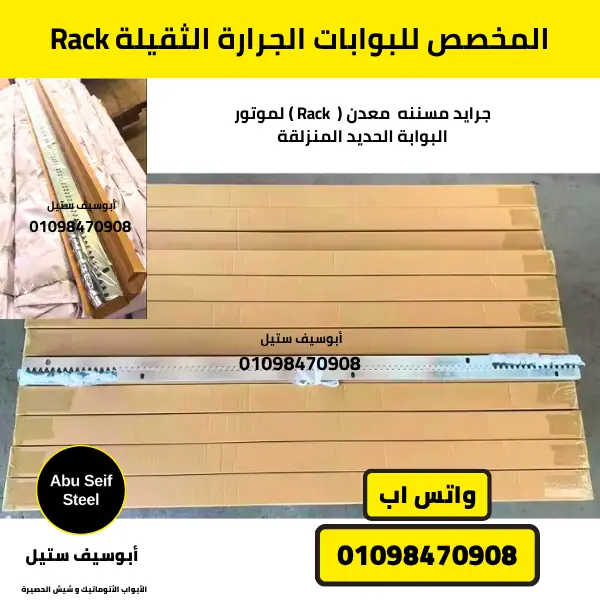
Width does not decide the capacity class, but it decides how much toothed rack the gate needs, since the rack has to cover the full travel rather than just the leaf. On a solid gate, width also increases the surface the wind pushes against.
Cycles per day
Two gates of identical weight can wear very differently. The one that opens four times a day and the one that opens sixty are not the same job, which is why the question is asked before anything is confirmed.
Weight, width and daily cycles together decide the classEvery recommendation is confirmed by the sales team before shipping
Frequently asked questions
How much capacity does my gate need?Size the operator at roughly double the gate weight. A 400 kg gate is matched to an 800 kg operator, a 1000 kg gate to a 2000 kg operator. The margin covers starting torque, friction in the track and wind load on the leaf.
Why double instead of an exact match?An operator working at its stated limit has nothing in reserve. Gates get heavier with rust, dirt and stiffer wheels, and a solid leaf catches wind. The margin is what keeps the gate moving smoothly rather than straining on every cycle.
Does the use of the site change the sizing?Yes. Factories, workshops and warehouses run their gates far more often, so a class above the doubled figure is preferred there. An 800 kg gate at a home is matched to a 1600 kg operator; the same gate at a factory is better served by 2000 or 2500 kg.
Does gate width matter?Width does not set the capacity class on its own, but it determines how much toothed rack is needed and it increases the wind area of a solid leaf. Both are checked before an order is confirmed.
What if I do not know the gate weight?Send the width, the height and the metal thickness on WhatsApp and the sales team will work the weight out with you rather than guessing.
Which capacities are stocked?800, 1000, 1100 (24 V), 1600, 2000, 2500 and 4000 kg, all Italian made.
Supply and delivery. We supply the equipment only. Cairo and Giza are delivered same day, other governorates in 3 to 5 working days. Payment is cash on delivery, bank transfer or InstaPay.